

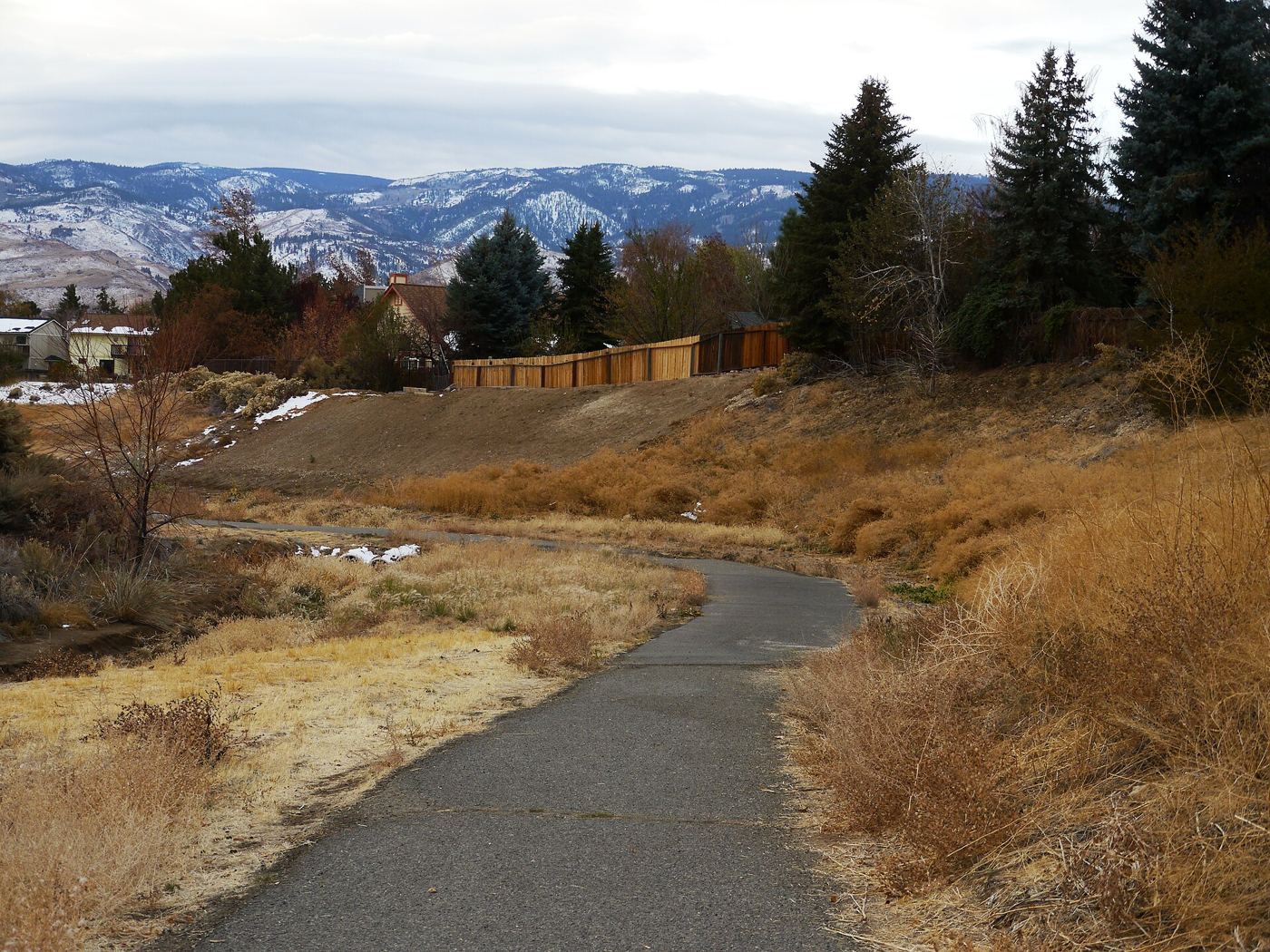
Walking and talking side by side helps difficult thoughts feel lighter, which is why so many honest conversations happen on foot rather than face to face across a table. Psychologists suggest several reasons. Movement gently regulates the body, steadying breathing and releasing physical tension, while the changing scenery gives the mind small rests between intense moments. Walking beside someone also softens eye contact, making it easier to say things that might feel too exposing when stated directly. The rhythm of steps seems to pace thoughts as well, so problems are approached gradually instead of arriving all at once in an overwhelming rush. The conversation does not need a destination or a solution in mind before it starts, since many people simply need to hear their own thoughts spoken aloud while someone trusted walks beside them without interrupting too quickly. It is a reminder that support does not always need a special setting, only time, movement and willingness.
What the Evidence Shows
Therapists have long used walk and talk sessions for clients who find a consulting room intimidating, and the same principles work for friends and families. Choosing a familiar, pleasant route removes decisions and lets attention rest on the conversation itself. Silences feel more comfortable outdoors too, because pausing to watch a river or cross a road is natural, giving thoughts time to form. Not every problem is solved by the end of a walk, and serious difficulties still deserve proper support. Yet people frequently return home clearer about what they feel and what they might do next. Sometimes the path itself is the progress: two people, moving forward together, while a heavy subject becomes a little easier to carry. For anyone without a walking partner, community walking groups offer company without obligation, and even a phone conversation while both people walk in different places can recreate much of the same relaxed, forward moving feeling. Reporting and analysis from sources such as Nature Human Behaviour track the same developments, and specialists following walking and talking say the direction is now consistent across independent lines of evidence.
The Wider Context
The wider context is a discipline rebuilding confidence through replication and pre-registration, and findings on walking and talking are being reported with their effect sizes and limits attached. That honesty can make results sound smaller than the headlines of a decade ago, but the effects that survive are the ones practitioners can responsibly build on.
What Happens Next
What happens next in research on walking and talking is a turn toward real-world trials: longer, larger and conducted in the schools, workplaces and clinics where the findings are meant to apply. Psychologists are also studying individual differences more seriously, because average effects conceal the people for whom an approach works powerfully and those it leaves cold. Both shifts make the science slower and more useful. You can follow related developments in our coverage of psychology.
None of this will be settled by a single announcement, study or product launch. The pattern to watch is accumulation: independent confirmations, honest reporting of failures and steady improvement in the underlying numbers. Readers who follow those signals, rather than the loudest claim of the week, will understand this subject better than most of the commentary surrounding it suggests is possible.
