

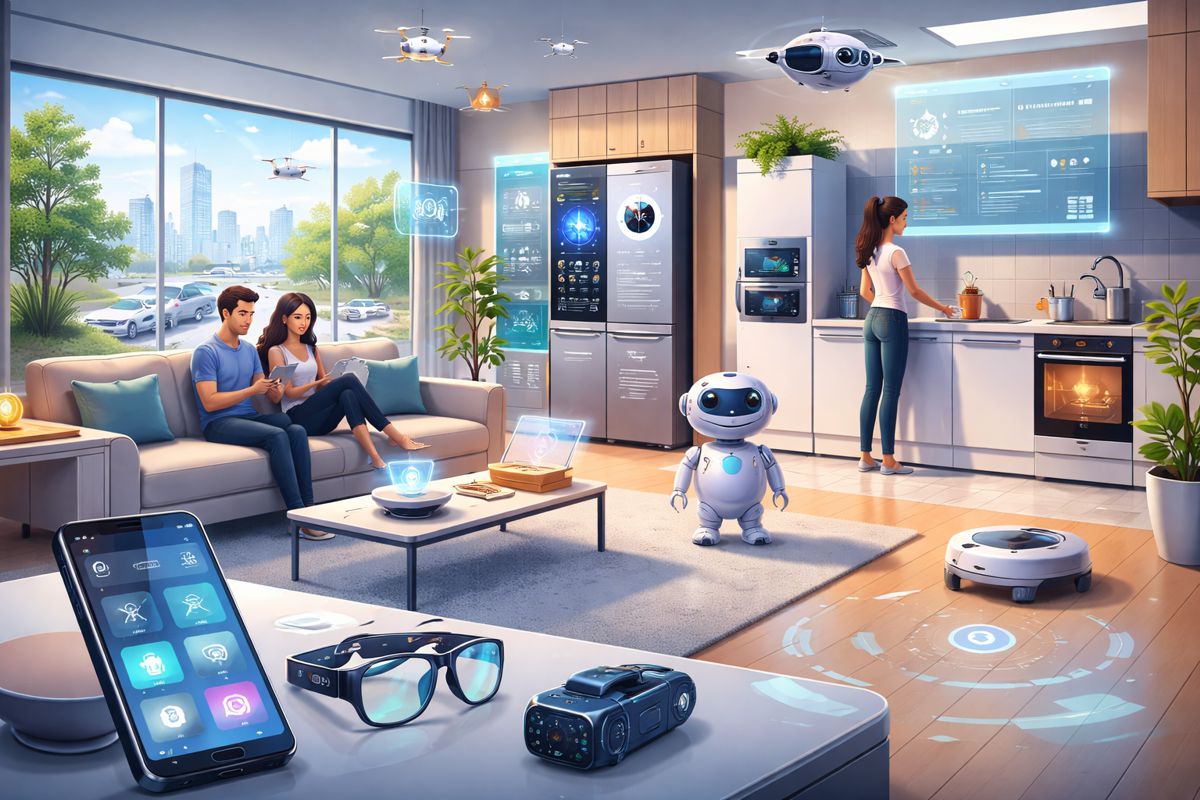
Smart technology is rapidly transforming the way people live, work, communicate, and manage daily routines. From artificial intelligence and smart homes to wearable devices and automation, modern technology has become deeply connected to everyday lifestyles. Businesses, families, students, and professionals now rely on digital innovation to improve convenience, productivity, and efficiency. As the smart technology boom continues to grow, it is reshaping industries and influencing consumer behavior around the world. Understanding how these advancements impact modern lifestyles is important for anyone looking to stay connected in today’s digital era.
How Smart Technology Is Transforming Daily Life
Smart Homes Creating More Convenience
Smart home technology has changed how people manage their living spaces. Devices such as smart lights, voice assistants, smart thermostats, and security systems allow homeowners to control household functions with mobile apps or voice commands. These innovations improve convenience while saving time and energy. Modern households are becoming more automated, making daily tasks easier and more efficient. Smart home systems also help users reduce electricity usage and improve home security, which adds both financial and practical benefits to modern lifestyles.
Wearable Devices Improving Personal Health
Wearable technology has become a major part of health and fitness management. Smartwatches and fitness trackers monitor heart rate, sleep patterns, physical activity, and stress levels in real time. These devices encourage healthier habits by giving users instant access to personal health data. Many people now use wearable technology to stay active, track fitness goals, and maintain overall wellness. As healthcare technology continues to evolve, wearable devices are expected to play an even bigger role in preventive healthcare and lifestyle improvement.
Digital Assistants Simplifying Everyday Tasks
Virtual assistants powered by artificial intelligence are helping users complete tasks more efficiently. Smart assistants can set reminders, answer questions, manage schedules, and control connected devices through voice commands. This technology reduces manual work and saves time during busy routines. AI-powered assistants are becoming increasingly popular in homes, workplaces, and mobile devices because they improve productivity and make digital interactions more user-friendly. Their growing capabilities are changing how people communicate with technology in everyday life.
The Role of Smart Technology in Modern Work Culture
Remote Work Technology Increasing Flexibility
The rise of remote work technology has completely changed professional lifestyles. Video conferencing tools, cloud storage platforms, and collaboration software allow employees to work from anywhere with internet access. This flexibility helps businesses improve productivity while giving workers more control over their schedules. Smart technology has made communication faster and teamwork more efficient, even across different countries and time zones. As hybrid and remote work models continue to expand, digital workplace solutions are becoming essential for modern businesses.
Artificial Intelligence Enhancing Business Operations
Artificial intelligence is helping companies automate tasks and improve decision-making processes. Businesses use AI tools for customer service, data analysis, marketing automation, and workflow management. These technologies reduce human error while increasing operational efficiency. AI-powered systems also help businesses understand customer behavior and deliver more personalized services. As smart business technology advances, companies can improve productivity while staying competitive in rapidly changing markets.
Smart Devices Boosting Productivity
Modern professionals depend on smart devices to stay connected and organized throughout the day. Smartphones, tablets, laptops, and cloud-based applications allow users to access information instantly and manage tasks efficiently. These devices support multitasking, communication, and project management in both personal and professional environments. Smart productivity tools also help users organize schedules, track goals, and improve time management. The increasing reliance on digital devices highlights the growing impact of smart technology on work culture.
The Future Impact of Smart Technology on Society
Smart Cities Improving Urban Living
Smart city technology is changing urban development by improving transportation, public services, and energy management. Cities are adopting digital systems that monitor traffic, reduce pollution, and improve infrastructure efficiency. Smart transportation networks help reduce congestion while improving safety for commuters. These innovations support sustainable development and create more connected communities. As urban populations continue to grow, smart city solutions will play a major role in improving the quality of modern lifestyles.
Advanced Connectivity Expanding Digital Access
The expansion of high-speed internet and advanced connectivity technologies is making digital services more accessible worldwide. Faster networks improve communication, online learning, streaming services, and remote business operations. Improved internet infrastructure also supports the growth of smart devices and connected ecosystems. As connectivity becomes stronger and more reliable, people can access information and services more quickly than ever before. This digital expansion is helping shape a more connected and technology-driven society.
Automation Reshaping Consumer Behavior
Automation technology is influencing how consumers shop, communicate, and interact with businesses. Automated services such as online recommendations, self-checkout systems, and AI-driven customer support improve user experiences and increase convenience. Consumers now expect faster responses and personalized digital services from brands. Businesses that adopt smart automation can better meet customer demands while improving efficiency. The growing use of automation highlights how technology continues to redefine modern consumer lifestyles.
FAQs
What is smart technology?
Smart technology refers to digital devices and systems that use automation, artificial intelligence, and internet connectivity to improve efficiency and convenience.
How does smart technology affect daily life?
Smart technology simplifies tasks, improves communication, increases productivity, and enhances convenience in homes and workplaces.
Why are wearable devices becoming popular?
Wearable devices help users monitor health, fitness, and wellness in real time, making personal healthcare easier to manage.
What role does AI play in smart technology?
Artificial intelligence powers automation, data analysis, digital assistants, and personalized user experiences across many industries.
What are smart cities?
Smart cities use digital technologies and connected systems to improve transportation, energy management, public services, and urban living.
Conclusion
The smart technology boom is reshaping modern lifestyles in powerful ways. From smart homes and wearable devices to artificial intelligence and digital workplaces, technology is making life more connected, efficient, and convenient. Businesses and consumers continue to embrace innovation as digital transformation influences nearly every aspect of society. As smart technology continues to evolve, it will create new opportunities, improve productivity, and redefine how people live and work in the future.